
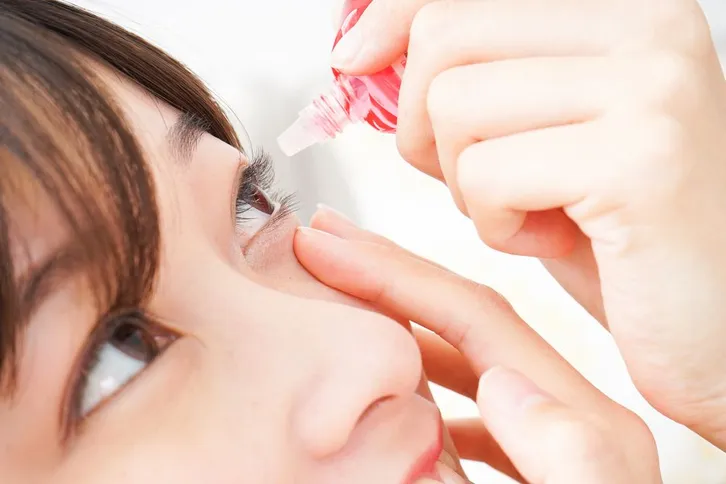
Dry Eye: Understanding Symptoms and Solutions
At Ophthalmology Associates of Queens in Astoria, NY, many patients seek relief from dry eye, a common condition that can cause discomfort, blurred vision, and irritation. While often overlooked, dry eye can significantly impact daily life, affecting reading, screen time, and even driving. Understanding the causes, recognizing the symptoms, and exploring effective treatments can help patients restore comfort, clarity, and long-term eye health.
What Causes Dry Eye and Who Is at Risk
Dry eye occurs when the eyes do not produce enough tears or when the tears evaporate too quickly, leading to dryness, irritation, and inflammation. Various factors contribute to the condition, including aging, hormonal changes, environmental elements, prolonged screen use, and certain medications. People with autoimmune conditions or chronic allergies may also be more susceptible. Understanding these triggers helps patients take proactive steps to manage symptoms and prevent worsening discomfort.
The condition can affect individuals of all ages, but it is particularly common among older adults and those with extensive screen exposure. Early recognition and intervention are key to preventing complications and maintaining eye comfort. Ophthalmologists can assess tear production, evaluate the ocular surface, and determine the best strategies for each patient’s specific needs.
Recognizing the Symptoms of Dry Eye
Dry eye often begins subtly, with occasional itching, burning, or a gritty sensation that feels like sand in the eyes. Over time, symptoms may intensify, leading to redness, excessive tearing, blurred vision, and sensitivity to light or wind. These signs can vary throughout the day, often worsening after prolonged reading or digital device use. Patients may also notice fluctuating vision or the need to blink more frequently to relieve discomfort.
Identifying symptoms early allows ophthalmologists to tailor treatment plans and prevent chronic irritation. Patients benefit from understanding how environmental factors, lifestyle habits, and underlying health conditions can influence dry eye and how adjustments can improve long-term comfort.
Effective Treatment and Management Options
Treatment for dry eye focuses on restoring tear balance and reducing inflammation. Lubricating eye drops and ointments provide immediate relief, while prescription medications may address underlying inflammation. For more severe cases, in-office procedures such as punctal plugs or thermal therapy can help retain tears and protect the ocular surface. Ophthalmologists also recommend lifestyle adjustments, including regular breaks from screens, protective eyewear, and proper eyelid hygiene.
With consistent care and professional guidance, many patients experience significant improvement in comfort, vision, and overall eye health. Regular follow-up ensures that treatments remain effective and can be adjusted as symptoms change over time.
For patients seeking comprehensive care for dry eye, Ophthalmology Associates of Queens in Astoria, NY, provides expert evaluation, personalized treatment, and long-term management strategies to restore comfort and clarity. To schedule an appointment and start improving your eye health, call 718-728-0224 today.
Causes of Dry Eye
According to the American Academy of Ophthalmology, 4.88 million individuals over the age of 50 have dry eye syndrome, which is characterized by red, itchy, scratchy eyes. Thankfully, this common eye ailment is completely treatable once the causes are known.
Dry eye occurs when there is a problem with the basal tears. Basal tears are not like emotional tears, which are comprised of oil, water, and mucus. The oil helps prevent the tears from drying too quickly on the surface of the eye. The watery layer helps the tears spread evenly over the eyes, and the mucus layer combines with the watery layer to help ensure eye hydration. If any of these layers are deficient, symptoms of dry eye can develop.
- Medications – The most common cause of dry eye is prescription and OTC medications. Usually, they will list dry eye as a side-effect.
- Older Adults – As we age, the basal tear production in the eyes can reduce. This is why most people who have dry eye are over the age of 50.
- Having an Immune Disorder – Autoimmune disorders can cause dry eyes. Common conditions include Lupus, rheumatoid arthritis and Sjogren’s syndrome.
- Having Allergies – Seasonal allergies can lead to dry, itchy scratchy eyes.
- Environmental Conditions – Individuals who work in dry, dusty or windy conditions can develop symptoms of dry eye.
Symptoms of Dry Eye
Dry eye can result in a wide range of symptoms that may not be readily noticeable. If you have any of these symptoms, it is important to call our office and schedule an appointment with Dr. Haller to diagnose the causes of your dry eye and develop a dry eye treatment plan.
- Having blurry vision, difficulty seeing at night or a sensitivity to light
- Having eyes that are scratchy or feel gritty when you blink
- Having red eyes or feeling like your eyes are burning
- Sudden intolerance to wearing contact lenses
Dry Eye Treatment with Dr. Haller
Dry eye treatment starts with a thorough diagnosis that includes an eye exam to test your eye health and visual acuity. Next, our Dr. Haller will measure the volume and quality of your tears. If there is a problem with your tear production or the composition of your basal tears, a dry eye treatment plan will be developed.
Creams, Eye Drops, and Ointments
For mild to moderate dry eye, our ophthalmologist may recommend eye drops, creams and/or ointments. Eye drops are typically used during the day to keep your eyes hydrated and to reduce symptoms. Creams and ointments are placed in the eyes at night to help keep your eyes hydrated while you sleep.
Changing Medications
If you have one or more prescription or OTC medications that list dry eye as a side effect, our ophthalmologist may recommend talking to your family doctor about switching to medications that do not cause symptoms of dry eye.
Medications that Increase Tear Production
There are medications on the market that can increase your natural tear production. They can be prescribed as oral tablets or pills, eye drops, and creams.
Temporarily or Permanently Closing Your Tear Ducts
If creams, ointments, and switching medications doesn’t help alleviate your dry eye symptoms, our ophthalmologist may recommend inserting plugs into your tear ducts to close them. The first step usually involves inserting temporary tear duct plugs to see if this helps alleviate your symptoms. If it does, we may recommend permanent tear duct plugs.
If you are having symptoms of dry eye, give our Ophthalmology Associates of Queens office a call today at (718) 728-0224 to schedule an appointment.